

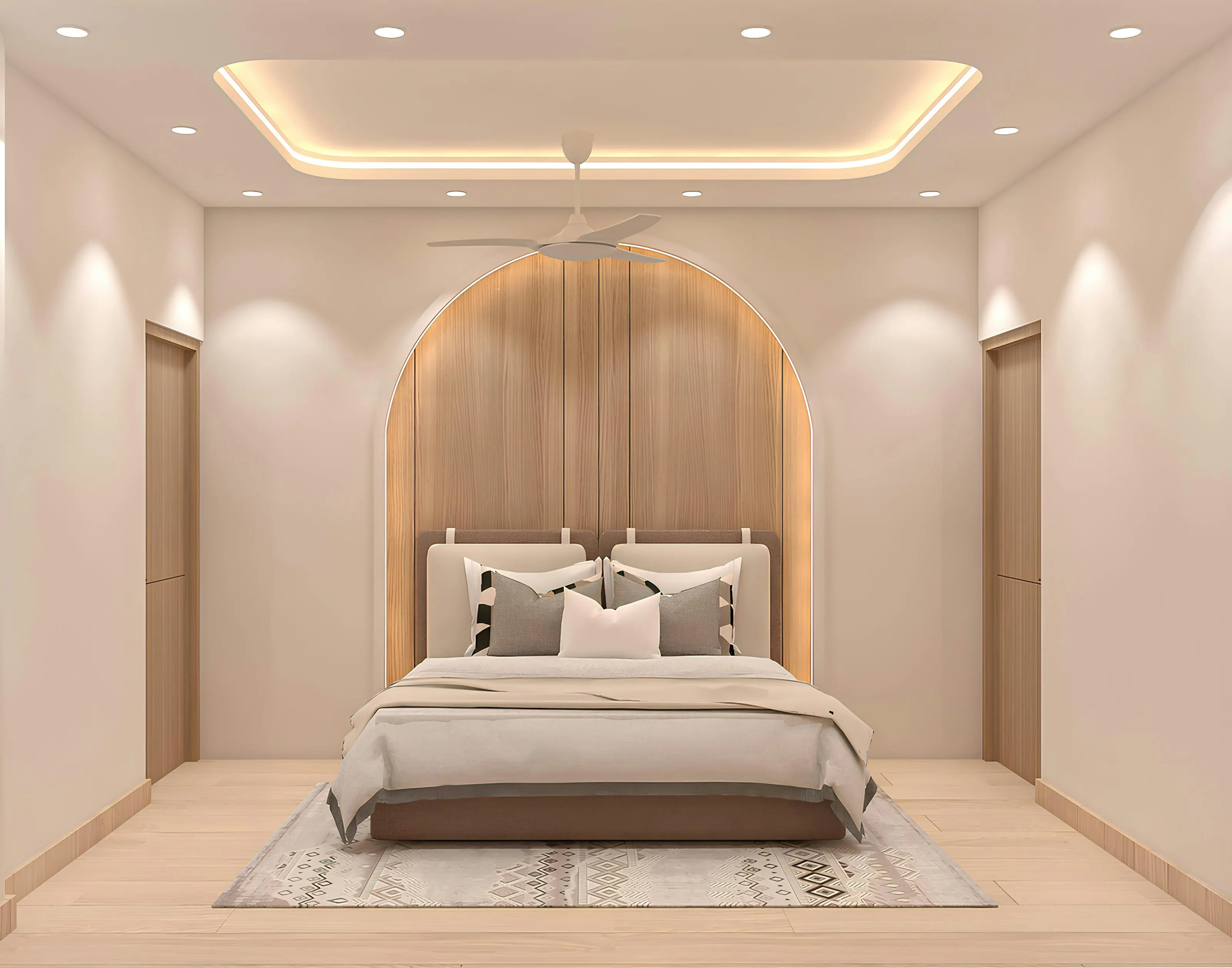
Virtual staging styles: six directions, six rooms
The six design styles and six room types in Vesta Studio's staging screen, what defines each style, how to choose one, and the wider style list in the AI tools.
Illustrative photograph · Spl Interiors / Unsplash — not a Vesta render
Updated · Vesta Studio
In short
- Vesta Studio's staging screen offers six design styles (Modern Minimal, Scandinavian, Industrial Loft, Mid-Century, Boho Chic and Rustic Cabin) and six room types.
- Choose the style the property already suggests through its architecture, light and likely buyer, rather than personal taste.
- Keep one style, or two that clearly belong together, across a listing so the home reads as one place.
- A style is a brief to the model, not a guarantee, so check each render against what you asked for.
The six styles
- Modern Minimal: clean lines, low-profile furniture and a neutral palette. The safest default for contemporary builds and condos, because it keeps attention on the space and the light.
- Scandinavian: pale timber, soft textiles, airy colour and a few plants. Suits bright small and mid-sized rooms where warmth matters more than drama.
- Industrial Loft: exposed brick or concrete, black metal, worn timber and leather. Suits lofts, converted buildings and urban properties with strong bones.
- Mid-Century: tapered legs, walnut and teak, organic curves and the odd bright accent. Suits homes built or renovated in that idiom, and design-minded buyers.
- Boho Chic: layered textiles, rattan, plants and warm earthy colour. The most personal of the six; use it where personality is the selling point.
- Rustic Cabin: heavy timber, natural stone, wool and warm light. Belongs in cabins, ranch and mountain properties; in a suburban tract home it looks out of place.
The six room types
- Living Room: sofas, seating, focal wall.
- Bedroom: bed, nightstands, soft layers.
- Dining Room: table, chairs, centrepiece.
- Kitchen: counters, stools, styling.
- Home Office: desk, shelving, task lighting.
- Bathroom: vanity styling, linens, plants.
The room type steers the render, so choose the room's real purpose: a bedroom staged as an office is not a style choice anyone can fix afterwards. In the National Association of Realtors' 2025 Profile of Home Staging, buyers' agents named the living room, the primary bedroom and the kitchen as the most important rooms to stage. Which rooms to stage first turns that into a plan.
How to choose
- Look at the architecture and the light first. A style that agrees with the building looks believable; one that fights it looks pasted on.
- Think about the likely buyer, not your own taste.
- Keep to one style, or two that clearly belong together, across the whole listing.
- Name specific pieces in the brief when they matter, such as a leather sofa, a walnut table or a linen headboard.
- Review each render against the original before publishing.
Naming materials in the brief
A short note steers a render more than any setting. Name the piece, the material and the finish, such as "cognac leather sofa, matte finish" or "walnut dining table with six tan leather chairs", and say what must not change. The model interprets a note rather than obeying it. Writing a staging brief and leather in virtual staging go further.
The wider style list in the AI tools
Inside the studio, the staging panel in the AI tools drawer exposes the staging model's own list of 50 named styles. It shows eight first (Minimalist, Scandinavian, Modern Farmhouse, Mid-Century Modern, Japandi, Warm Minimalist, Luxe Modern and Industrial) and the rest behind an "All 50" switch. These are the model's style names rather than the six curated directions above, so expect more variation between them. A result is committed through the same disclosure and ledger path as any other render.
Questions, answered
Which virtual staging style appeals to the most buyers?
Modern Minimal and Scandinavian are the safest choices for broad appeal: neutral palettes, clean lines and natural materials keep attention on the room's space and light. Character styles such as Industrial Loft or Rustic Cabin suit properties whose architecture already points that way.
Should every room in a listing be staged in the same style?
Usually, yes. One style, or two that clearly belong together, makes a home read as one place across its photos; a different style in every room makes the listing look like several houses.
How specific should a virtual staging note be?
Name two or three key pieces with their material and finish, in two or three sentences, and say what must not change. Specific nouns such as "walnut dining table with six tan leather chairs" steer a render better than adjectives such as "nice dining set".
Which room types can Vesta Studio stage?
The staging screen offers six room types: living room, bedroom, dining room, kitchen, home office and bathroom. The room type steers the render, so choose the room's real purpose.
Does Vesta Studio offer more than six staging styles?
The main staging screen offers six curated styles. The AI tools drawer inside the studio also exposes the staging model's own list of 50 named styles, with eight featured first, for operators who want a wider range.
Which staging style suits a mid-century or character home?
Match the building. Mid-Century, with tapered legs, walnut and organic curves, suits homes built or renovated in that idiom; Industrial Loft suits converted buildings with brick or concrete; Rustic Cabin suits timber, ranch and mountain properties.
Does the staging style change how a photo must be disclosed?
No. Every virtually staged image is a digitally altered image whatever its style, and Vesta applies the same AB 723 disclosure to each render. A matching set of photos needs one disclosure per image, not one for the set.